

Sudan’s Army Regains Control of Strategic Highway Linking Khartoum and El-Obeid
The Sudanese army announced on Sunday that it has regained control of a major highway linking the capital, Khartoum, with el-Obeid, a city under siege by rival paramilitary forces. The capture of Al Sadarat highway marks a significant victory for the Sudanese military in its ongoing efforts to block the Rapid Support Forces’ (RSF) push to seize el-Obeid.
The RSF had controlled most of the 350km strategic highway since April 2023, when the conflict between the Sudanese army and the RSF erupted due to disagreements about integrating the paramilitary force into the national army. The RSF’s control over the highway has hindered its drive to take el-Obeid, a city whose capture would give it full control of western Sudan.
The Sudanese army said it had recaptured cities and towns between Khartoum and el-Obied following two days of fierce battles with the RSF. The army’s troops retook the areas of Um Qurfa and Jarigakh after operations that “inflicted heavy losses in lives and equipment [of RSF fighters], forcing them to flee.”
The capture of Al Sadarat highway restores a direct connection between the capital and Kordofan for the first time in months. This is significant because the highway is a key military supply route, allowing the army to move fuel, troops, and equipment more quickly to el-Obeid instead of relying on the longer route through the White Nile State.
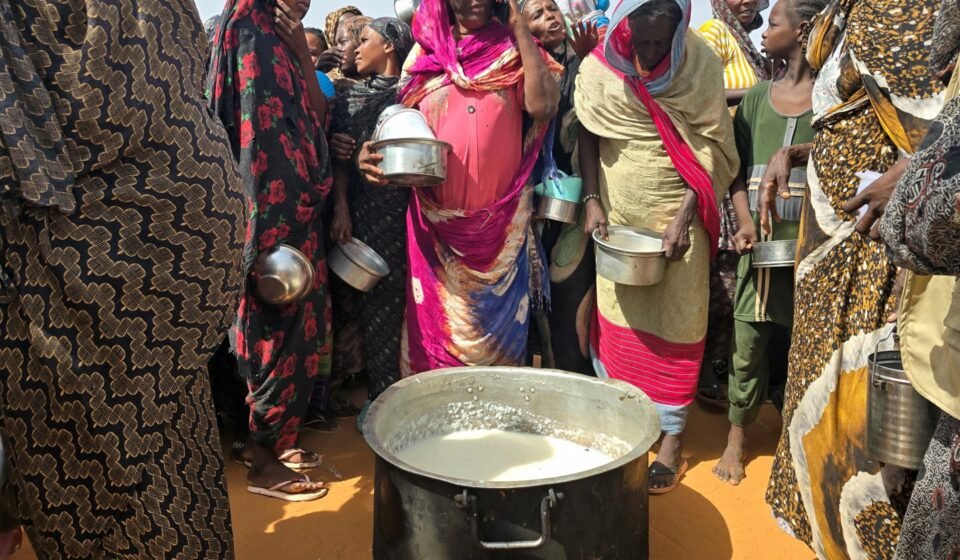
Improved humanitarian access has been improved as well. The Sudanese government’s control over the highway will allow for faster movement of aid and supplies to affected communities in Kordofan region. This could also improve humanitarian access to civilians, particularly women and girls who are facing an impossible choice between collecting water or risking rape by waiting until dark.
The RSF had been using Al Sadarat highway as a key supply route, but the Sudanese army’s control over it will hinder its ability to move troops, equipment, fuel, and supplies. The capture of el-Obeid would give the paramilitary force full control of western Sudan, which could have significant implications for regional stability.
The conflict in Sudan has resulted in an estimated 40,000 deaths and forced more than 14 million people to flee their homes. The World Health Organization has warned that women and girls face a humanitarian catastrophe if el-Obeid falls into RSF hands.
In the meantime, residents of el-Obeid are facing intense RSF drone attacks, which have left many without access to basic necessities like food, water, and medical care. The UN Women’s report highlights the dire situation in el-Obeid, where women and girls “now face an impossible choice over something as basic as a bucket of water: risk a drone strike by collecting it in daylight, or risk rape by waiting until dark.”
The Sudanese government has promised to protect civilians and ensure their safety. However, the ongoing conflict and humanitarian crisis continue to pose significant challenges for those affected.
Source: Al Jazeera
Based on reporting from Al Jazeera.
Read original source