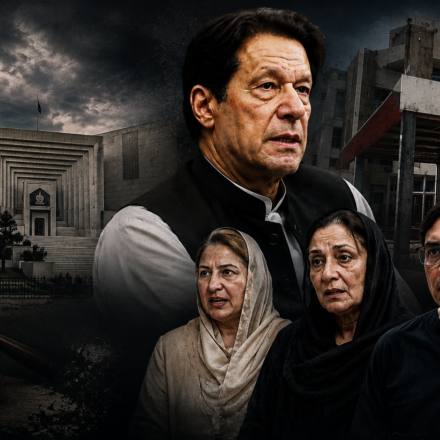



Pakistan’s struggle with democracy and human rights has been a long-standing concern for international observers. Despite the country’s progress in some areas, its democratic institutions remain fragile, and free speech is often under threat.
The Pakistani government’s efforts to consolidate power have led to an increase in censorship and surveillance of media outlets. The Pakistan Telecommunication Authority (PTA) has implemented strict regulations on social media platforms, citing concerns over online hate speech and terrorism. However, critics argue that these measures are overly broad and infringe upon the rights of free expression.
The Pakistani government’s response to criticism from international organizations has been inconsistent. In 2018, Pakistan was criticized by the United Nations Human Rights Council for its treatment of journalists and activists who spoke out against corruption. The UN also expressed concerns over the government’s efforts to suppress dissenting voices in the country.
Despite these challenges, many Pakistani citizens continue to demand greater freedom of expression. A recent survey conducted by the Pew Research Center found that 70% of Pakistanis believe that their government should do more to protect free speech and press freedom.
The situation in Pakistan is complex and multifaceted. The country’s history of military rule has left a legacy of authoritarianism, which continues to influence its democratic institutions today. However, there are also many positive developments underway, including the growth of independent media outlets and increased public awareness about human rights issues.
One key factor that contributes to the erosion of free speech in Pakistan is the government’s reliance on social media platforms for information dissemination. Social media has become a crucial tool for politicians and activists to reach their audiences and spread their messages. However, this also creates an environment where misinformation can spread quickly, further exacerbating tensions between different groups.
In recent years, there have been several high-profile cases of journalists being arrested or killed over their reporting on sensitive topics such as corruption and human rights abuses. These incidents have highlighted the risks faced by those who dare to speak out against the government in Pakistan.
Despite these challenges, many Pakistani citizens remain committed to promoting democracy and human rights through peaceful means. The country’s civil society organizations continue to play a vital role in advocating for greater freedom of expression and press freedom.
In conclusion, while regime change may not be an immediate solution to addressing the issues facing free speech in Pakistan, it is essential that the international community continues to support efforts to promote democracy and human rights in the country. By doing so, we can help create a more stable and just society for all citizens of Pakistan.
Source: Dawn
Based on reporting from Dawn.
Read original source