

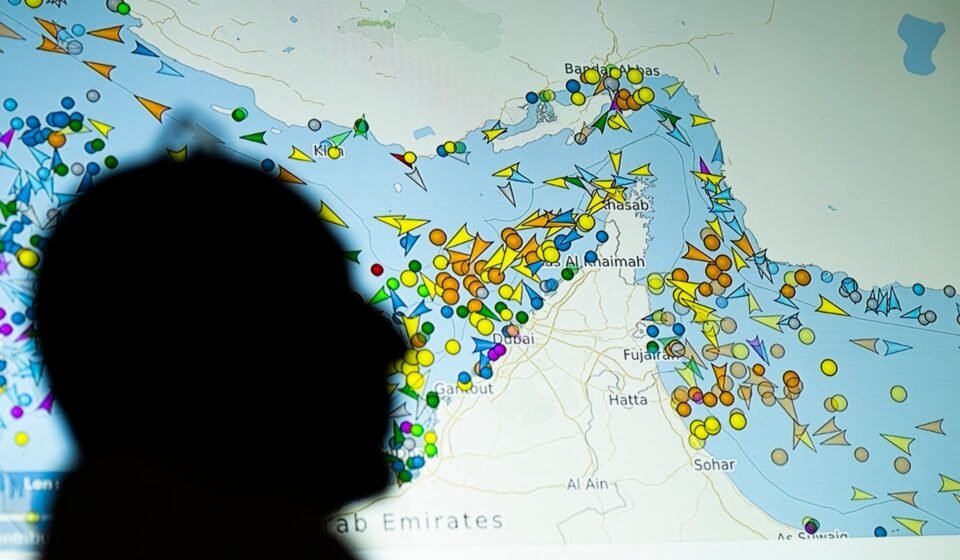

Iran and Oman Exchange Proposals for Managing the Strait of Hormuz
In a bid to manage the Strait of Hormuz, which connects the Indian Ocean with the Persian Gulf, Iran has proposed an alternative model to its traditional approach. According to sources close to the negotiations, Oman is considering a proposal that would involve voluntary fees from ships using the strait.
The Omani plan, reportedly backed by regional authorities in East Asia, suggests that shipping companies pay “voluntary fees” for navigating through the Strait of Hormuz. This model has been tested in other regions, such as the Strait of Malacca, where Indonesia, Malaysia, and Singapore have implemented a similar system to fund navigation, environmental protection, and search-and-rescue operations.
The proposal aims to address concerns over global disruption caused by the strait’s closure during the US-Israeli war on Iran. Tehran has stated that it cannot return the Strait of Hormuz to its pre-war state where shipping flowed freely, citing security concerns.
Iranian Deputy Foreign Minister Kazem Gharibabadi expressed his country’s rejection of an Omani proposal for a joint regional mechanism to manage the strait with “voluntary fees”. He argued that such a plan does not address Tehran’s security concerns and warned that Iran will consider any action necessary to maintain control over the strait.
The proposed model has been tested in other regions, including East Asia. For example, Indonesia, Malaysia, and Singapore have implemented a similar system for funding navigation, environmental protection, and search-and-rescue operations through the Strait of Malacca.
Oman’s proposal is reportedly based on this existing framework, which generates around $70 million annually from voluntary contributions. This amount far exceeds the proposed “service fee” of one-fifth of global energy supplies that Iran has suggested as a basis for its own plan.
The US-Israeli war over Iran has led to increased tensions in the region, with shipping companies facing disruptions and delays due to the closure of the strait. The United States suspended air strikes against Iran on Sunday after pressure from regional mediators to find a diplomatic solution and return to the June memorandum of understanding signed between the two countries.
The GCC foreign ministers met via video call on Tuesday to discuss ways to improve cooperation on issues surrounding freedom and navigation through the waterway, including the Strait of Hormuz. The meeting comes as Iran continues to push for its plan to be implemented in the region.
In conclusion, while Oman’s proposal is seen as a positive step towards finding a solution to manage the Strait of Hormuz, it remains unclear whether hardliners in Iran will support the idea. As tensions continue to rise in the region, it is essential that both countries work together to find a peaceful and sustainable solution for managing this critical waterway.
Source: Al Jazeera
Based on reporting from Al Jazeera.
Read original source