
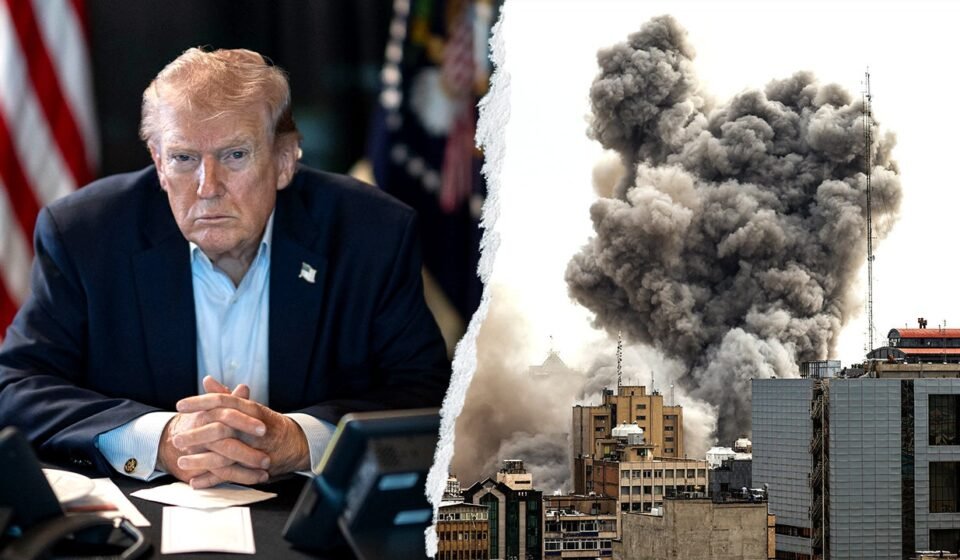

The United States resumed airstrikes inside Iran on Wednesday night in retaliation for Tehran’s attempted surprise ballistic-missile attack on American forces. The operation marked the first U.S. attacks inside Iran since President Donald Trump paused the bombing campaign Friday after 13 consecutive nights to allow diplomacy another chance.
According to US Central Command, multiple ballistic missiles were launched from Iran at U.S. forces in the region at approximately 5:45 p.m. Eastern Time Tuesday. All were intercepted and no casualties or damage were immediately reported. The attack was widely condemned by the international community, with many countries expressing concern over the potential escalation of tensions.
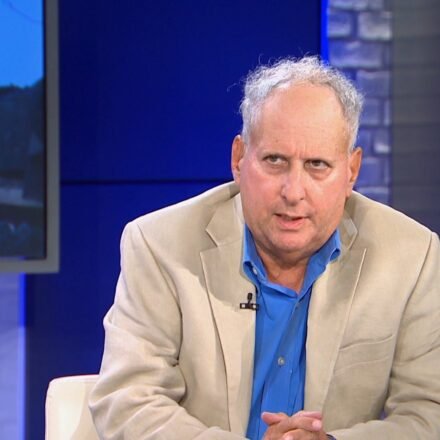
The surprise nature of the Iranian attack reflected a significant shift in Tehran’s strategy, according to Behnam Ben Taleblu, senior director of the Iran program at the Foundation for Defense of Democracies. “What makes this attack different is that it’s basically a surprise attack,” he told Fox News Digital. “This is the Islamic Republic matching its deeds with its words.”
Taleblu warned that successful interceptions alone may not restore deterrence and argued that Tehran has repeatedly learned that it can fire on American forces, absorb a U.S. response and then attempt to dictate when the exchange ends.
“The dangerous lesson for America here is that you have to treat every single Iranian missile attack, whether it was successful or not, as being successful,” he said. “You can’t over-rely on technology because, ultimately, this is not a technological problem. This is a political problem.”
The renewed fighting also threatens already-fragile negotiations over the Strait of Hormuz, which Iran rejected an Omani proposal for joint regional management of the waterway, insisting on broader control over shipping routes through the strait.
Iran’s missile launch shattered that brief pause and returned the conflict to direct exchanges between Washington and Tehran. Trump had signaled the retaliation earlier Wednesday, saying the United States would hit Iran “very hard.”
The attack marked a significant escalation in tensions between the two countries, with many experts warning of potential long-term consequences for regional stability.
“The U.S. certainly does need to respond, and President Trump indeed has promised to respond with some very colorful language,” Ben Taleblu said. “But it has to be prepared for the Iranian response.”
The United States and Saudi Arabia jointly struck Iran-backed armed groups in Iraq following drone attacks on Saudi oil facilities, which marked the first time Riyadh publicly acknowledged participating in strikes alongside Washington.
The operation also threatened already-fragile negotiations over the Strait of Hormuz, with Iran rejecting an Omani proposal for joint regional management of the waterway. The attack followed a far deadlier Iranian attack on U.S. forces in Jordan earlier in July, which hit housing used by American troops at Muwaffaq Salti Air Base, killing two U.S. service members and wounding several others.
The United States has stated that it will continue to take action against Iran’s military targets until the regime is brought to justice for its actions. The operation marked a significant escalation in tensions between the two countries, with many experts warning of potential long-term consequences for regional stability.
Based on reporting from Fox News World.