

Pakistan-administered Kashmir Opens Polls Amid Violence, Security Concerns
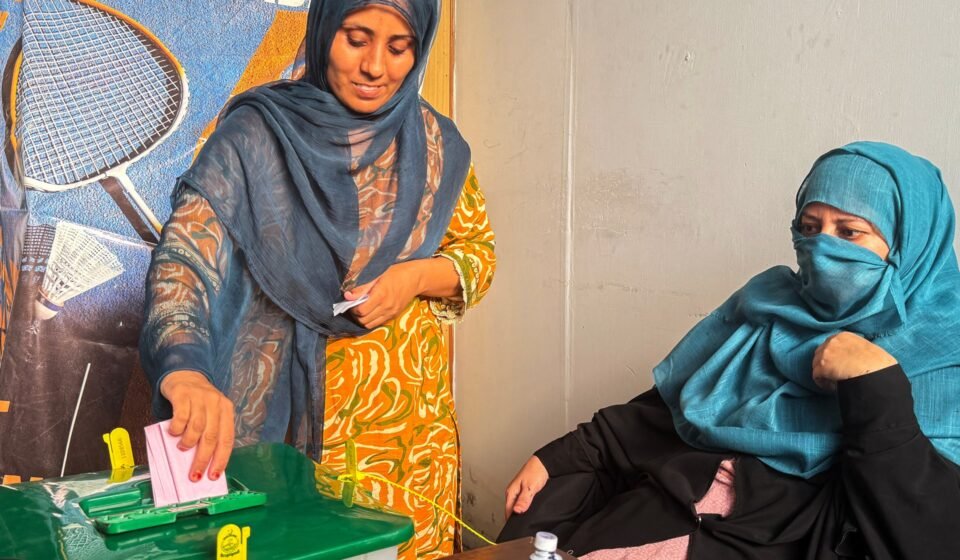
The first round of Pakistan-administered Kashmir’s legislative elections has begun on Monday morning, following weeks of protests that have resulted in dozens of deaths. The voting is taking place under heavy security measures, with an estimated 3.8 million residents eligible to participate.
The electoral commission announced the split-phase election due to concerns over stretched security personnel and infrastructure. However, this decision has been met with criticism from various stakeholders, including opposition parties who argue that it will only exacerbate tensions in a region already plagued by violence.
In Mirpur district, where voting is taking place, turnout appears low in the summer heat, with some candidates complaining about internet restrictions imposed during protests and ensuing clashes. The Pakistan-administered portion of Kashmir has been divided into three phases to ensure security personnel can respond effectively to any potential disruptions.
The elections are seen as a test of security after weeks of clashes between police and protesters demanding electoral reform. Authorities have suspended mobile and internet services across most areas, citing concerns over the impact on the voting process.
Independent candidate Malik Alauddin has expressed his concerns about reaching voters due to the lack of internet connectivity in remote villages. “The internet shutdown has created serious difficulties for political candidates and the electoral process itself,” he said. “Reaching voters has become much harder.”
Alauddin’s campaign style focuses on gathering in remote villages and going door-to-door to potential voters’ homes, highlighting the vast size of his constituency.
The Jammu Kashmir Joint Awami Action Committee (JAAC), which was banned by local authorities under anti-terrorism laws in June, is demanding electoral reform. Its demands include the abolition of 12 assembly seats reserved for Kashmiri refugees and a more representative parliament composition.
JAAC supporters have called on residents to boycott the vote, citing concerns over security and potential intimidation. The movement’s leadership has since been arrested or gone underground, with its sit-in camps in Rawalakot serving as a hub for protests.
The elections are expected to be closely watched by international observers, who will assess the impact of this election on regional stability and human rights. As tensions continue to simmer in Pakistan-administered Kashmir, it remains unclear how these elections will ultimately shape the future of the region.
Source: Al Jazeera
Based on reporting from Al Jazeera.
Read original source