
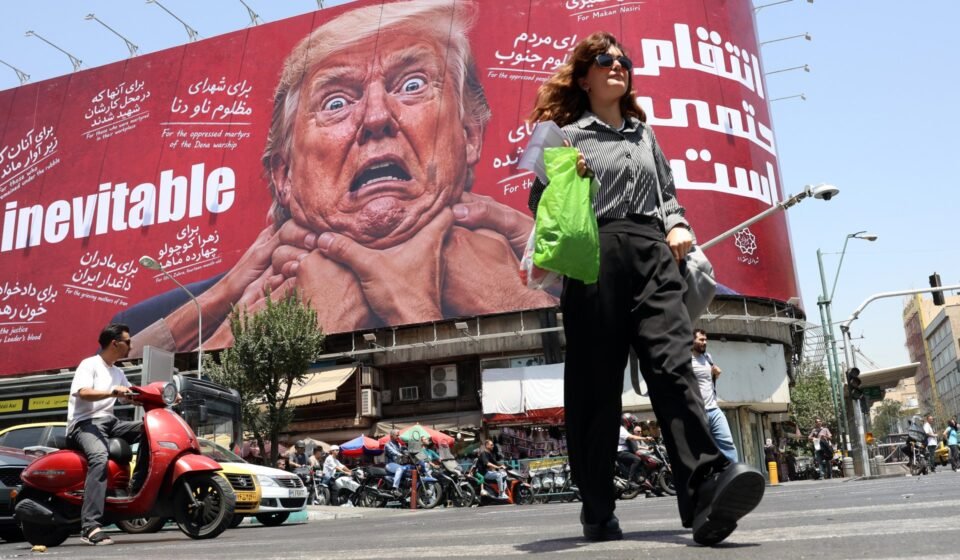

Iran and Oman have begun negotiations to manage the strategic Strait of Hormuz, which is critical for global oil supplies. The two countries are seeking a deal that would give Iran more control over the waterway.
The proposal from Oman suggests that both sides should jointly oversee the strait in a 50-50 split, with Iran controlling transit lanes on its side and Oman controlling those along its coast. This plan is modeled after an agreement governing the Strait of Malacca, which connects the Indian and Pacific oceans. The proposed arrangement would involve ships entering through Omani waters and exiting through Iranian territorial waters.
Iran’s Deputy Foreign Minister Kazem Gharibabadi rejected this proposal, citing Iran’s concerns about control over the strait. He stated that Oman’s counterproposal gives Tehran more control over shipping in the waterway.
In response to Oman’s proposal, Iran has proposed its own deal, which would see it manage shipping through Iranian territorial waters with Muscat managing part of the opposite lane. Gharibabadi warned that if Oman rejects this plan, the strait will remain closed and ships will not be allowed to pass without paying a toll.
The negotiations are ongoing, with both sides continuing to pore over the terms of what a final agreement could look like. The US has accused Tehran of placing mines in the strait, but Iran has denied this claim. However, it is unclear how Tehran will react to Oman’s new proposal.
Other points of contention include the direction or trajectory of passing ships in the lanes, fees for using the strait and mine clearance operations. Paul Musgrave, a professor at Georgetown University in Qatar, noted that the Strait of Malacca model raises about $70m annually through its voluntary fees system, but Iran has proposed a “service fee” of $1 million per ship.
The negotiations are complex and multifaceted, with both sides seeking to gain control over the strait while minimizing costs. The outcome is far from certain, and it remains to be seen how this deal will unfold in the coming weeks and months.
Source: Al Jazeera
Based on reporting from Al Jazeera.
Read original source