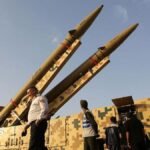

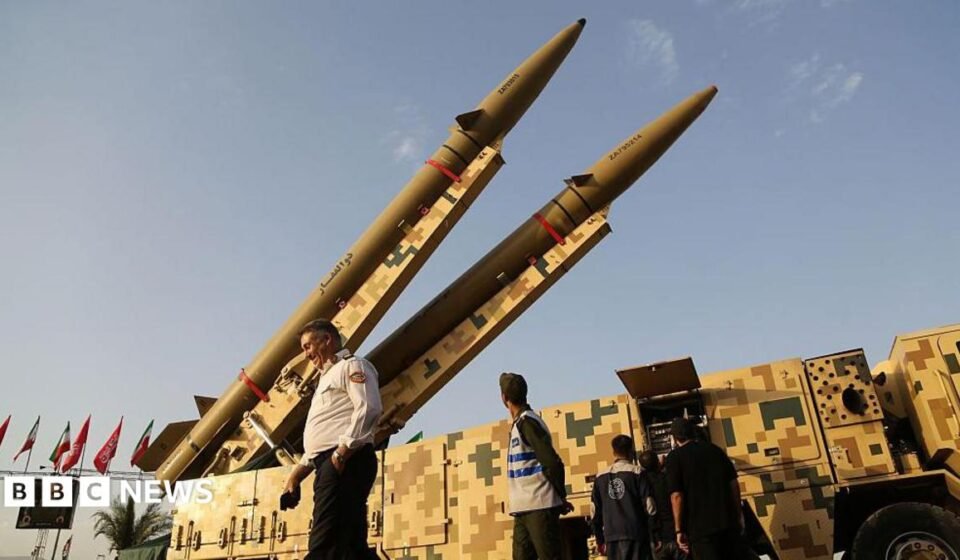

Iran’s surprise missile strike on a US base in Jordan earlier this week has sparked renewed debate about the potential benefits of limited war over peace, with many analysts suggesting that Tehran may be seeking to leverage its strategic position for greater influence and control.
The attack effectively ended the fragile pause in direct US-Iran fighting, prompting Washington to resume strikes inside Iran. While it is unclear what Iranian leaders’ primary objective was, one possible explanation is that they believe a controlled confrontation could offer greater strategic leverage. This approach would allow Tehran to maintain pressure on key targets while minimizing the risks of an all-out war.
Iran’s weakened air defenses, vulnerable industrial infrastructure, and sanctions-constrained economy make rebuilding losses increasingly difficult and expensive. In this context, limited conflict may be seen as a more viable option for Iranian leaders, who are seeking to avoid the economic costs associated with prolonged fighting.
A prolonged ceasefire under current conditions could leave Tehran in a weaker position, with its naval blockade of Iranian ports continuing, sanctions remaining, and Iran still being largely excluded from international energy markets. In contrast, Saudi Arabia, the UAE, Qatar, and other oil and gas exporting countries in the region may be able to gradually resume normal exports while maintaining their economic isolation.
Iran’s strategy appears to be centered on reshaping the diplomatic discussion around its demands for greater influence over global shipping lanes through rules agreed with or administered by Iran. By keeping the crisis alive below the threshold of total war, Tehran believes it can maintain pressure and achieve its objectives without accepting a ceasefire that would leave sanctions, the blockade, and economic isolation largely unchanged.
From an Iranian perspective, maintaining control over the Strait of Hormuz remains crucial for ensuring access to global energy markets. The ongoing conflict has disrupted shipping and insurance costs, affecting global trade and energy supplies. By keeping the pressure on, Tehran may believe it can maintain its leverage and influence in regional diplomacy.
Iran’s domestic calculations also play a significant role in shaping its strategy. High inflation rates, unemployment, economic hardship, and public dissatisfaction have created an environment in which governments often find it easier to suppress internal opposition, justify tighter security measures, and rally support around national defense. This may reduce the immediate political pressure created by Iran’s economic problems.
However, this approach also carries significant risks, as controlled conflicts can become uncontrolled if not carefully managed. The possibility of a much wider war is already evident, with Saudi Arabia carrying out strikes against Iranian-aligned Shia groups in Iraq and taking military action against the Houthis. If disruption to global trade and energy markets continues, other countries may become more willing to support efforts to increase pressure on Iran.
The future trajectory of the conflict remains uncertain, but it is clear that Tehran’s strategy will be shaped by its ability to maintain calibrated actions without triggering a response that fundamentally changes the political and military calculations of the United States. The next unexpected strike could determine which path the conflict takes.
Based on reporting from BBC Top Stories.