

As U.S. Pauses Strikes, Iran Seeks to Maximize Gains from Cease-Fire Talks
The recent lull in violence between the United States and Iran has provided an opportunity for Iranian leaders to reassess their stance on negotiations with Washington. While President Trump’s administration had been pushing for a cease-fire, analysts believe that Tehran is taking advantage of this temporary reprieve.
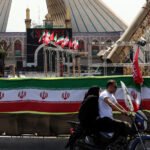
For nearly two weeks, Iranian skies have remained clear of explosions and airstrikes, giving officials time to regroup and reassess their position. However, despite the apparent pause in hostilities, Iran remains committed to its stance on the Strait of Hormuz, a vital waterway that controls approximately 20% of global oil supplies.
Iranian military leaders have boasted about their successes on the battlefield, while diplomats have dismissed U.S. claims that they are eager to return to negotiations. The rhetoric from Tehran suggests that Iranian officials believe they possess leverage over Washington and can dictate terms in any potential peace talks.
The United States has been unwilling to grant Iran recognition of its control over the Strait of Hormuz, a concession that analysts argue would be a significant victory for the Islamic Republic. This stance is seen as an attempt by the U.S. to maintain pressure on Tehran, but it may ultimately prove futile given Iran’s current military strength.
The uncertainty surrounding whether war or peace will reign at any moment has created tension in both countries. Analysts warn that fighting could break out again at any time, with far-reaching consequences for Iran and its economy. The ongoing blockade by the U.S. naval fleet has also taken a toll on Iranian oil production, exacerbating economic woes.
Ramazan Sharif, a former spokesman for the Islamic Revolutionary Guards Corps, expressed confidence in Tehran’s ability to withstand pressure from Washington. “Iran’s enemy had faced strategic defeat at every step,” he said, according to state media reports. This statement suggests that Iran is well-equipped to handle any potential challenges and has gained significant leverage in its ongoing conflict with the United States.
While Iranian diplomats have shown restraint in their reaction to the pause in violence, analysts believe they are not yet ready to engage in meaningful negotiations. The country’s economy remains fragile, and the ongoing blockade continues to take a toll on Iran’s oil production. As tensions between Washington and Tehran continue to simmer, it is unclear whether a lasting peace will be achieved anytime soon.
The recent lull in violence has provided an opportunity for Iranian leaders to reassess their stance on negotiations with the United States. However, analysts warn that this temporary reprieve may not last, and that fighting could break out again at any moment. The ongoing blockade by the U.S. naval fleet remains a significant concern for Iran’s economy, and it is unclear whether Washington will be able to find a way to alleviate these pressures.
In conclusion, while the recent pause in violence between the United States and Iran has provided an opportunity for Iranian leaders to reassess their stance on negotiations with Washington, analysts believe that Tehran still holds significant leverage over its conflict partner. The ongoing blockade by the U.S. naval fleet remains a major concern for Iran’s economy, and it is unclear whether a lasting peace will be achieved anytime soon.
Source: New York Times – World
Based on reporting from New York Times – World.
Read original source