
Online scam centres fuelling human trafficking worldwide, warns UN agency

Online Scam Centres Fuel Human Trafficking Worldwide, Warns UN Agency
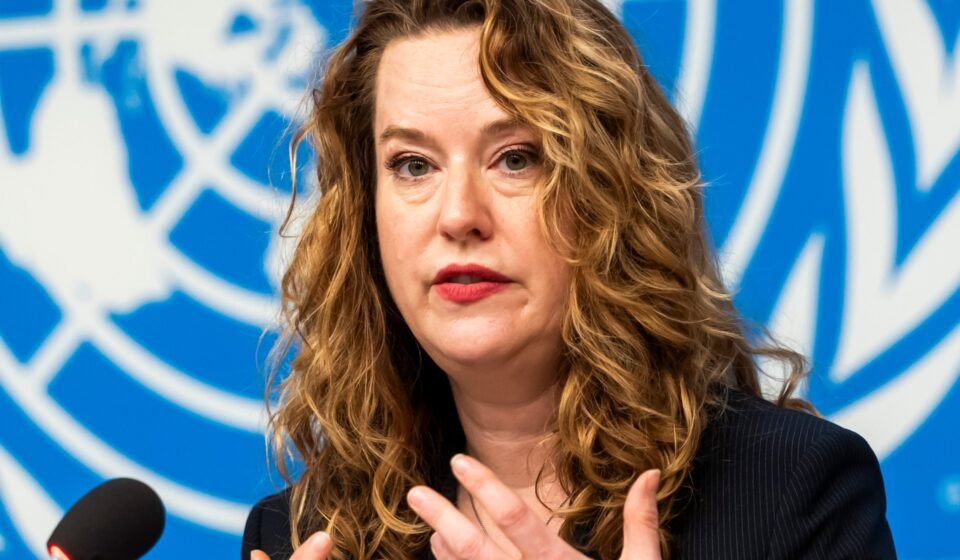
The International Organization for Migration (IOM) has warned that online scam centres are fueling human trafficking worldwide, with victims from over 80 countries being lured into these schemes through fake job offers on social media. According to the IOM Director General Amy Pope, the criminal networks employing as many as 300,000 workers across South-East Asia have successfully recruited educated jobseekers by presenting them with fraudulent job offers.
The majority of online scam centres are located in Myanmar, Cambodia, and Laos, where they use sophisticated tactics to defraud often older people from Western countries. These scams typically involve fake advertisements on social media platforms, which promise high-paying jobs or lucrative business opportunities. Once victims have been lured into these schemes, the scammers confiscate their passports, subject them to physical and psychological abuse, and prevent them from leaving.
The IOM estimates that annual global losses from online scam operations reached between $88 billion and $114 billion last year. The majority of these losses come from South-East Asia, where the number of victims has increased significantly in recent years. According to Pope’s report, over 3,500 survivors have been assisted by the IOM since 2019.
The IOM Director General warned that survivors are often wrongly treated as criminals rather than victims and called for stronger cross-border cooperation, prevention efforts, and public awareness to disrupt trafficking networks and protect people from deceptive recruitment offers. Pope also emphasized the need for continued support to assist victims of trafficking through protection, safe return, and reintegration.
The IOM has been working closely with governments, law enforcement agencies, and civil society organizations to raise awareness about traffickers’ tactics and provide assistance to survivors. The agency is calling on countries to strengthen their anti-trafficking laws and regulations, increase funding for victim support services, and enhance cooperation among borders to disrupt trafficking networks.
The IOM’s report highlights the need for a coordinated international response to address this growing threat of human trafficking through online scam centres. Pope urged governments and civil society organizations to work together to prevent these crimes and protect people from deception.
Source: Al Jazeera
Based on reporting from Al Jazeera.
Read original source