

Saudi Arabia’s Dilemma: Balancing National Security with International Relations
As tensions escalate between Saudi Arabia, Iran, and their respective allies, the kingdom is facing a difficult decision. Since the US and Israel launched their war on Iran on February 28th, Saudi Arabia has largely tried to stay out of the conflict, but now finds itself under attack from multiple fronts.
The situation began when Iranian proxy militias in Iraq launched drones at two of Saudi Arabia’s most vital oil facilities, Abqaiq and Khurais. The attacks knocked half of Saudi oil exports offline for several days, prompting Riyadh to take action. Satellite images revealed that the drones were fired by Iranian-backed Iraqi militia groups.
The attack was a wake-up call for Riyadh as it realized its critical national infrastructure is vulnerable to attack. Oil production has been impacted significantly, and the kingdom’s economy relies heavily on this vital resource. Iran retaliated against US and Israeli attacks in February by effectively closing off the Strait of Hormuz, a critical shipping channel between Iran and the Gulf.
In response, Saudi Arabia pumped as much oil as possible through its east-west pipeline to its export terminal on the Red Sea, loaded onto tankers that headed south into Asia. However, this effort has been hindered by attacks from Iraqi militias and Houthis in Yemen. The kingdom’s efforts have not been enough to deter these threats.
The situation is further complicated by Saudi Arabia’s “Vision 2030” initiative, which aims to diversify the country away from its dependence on oil revenues and create vibrant domestic industries. However, this plan has created vulnerabilities that are being exploited by Iranian-backed Houthis in Yemen and Iraqi militias.
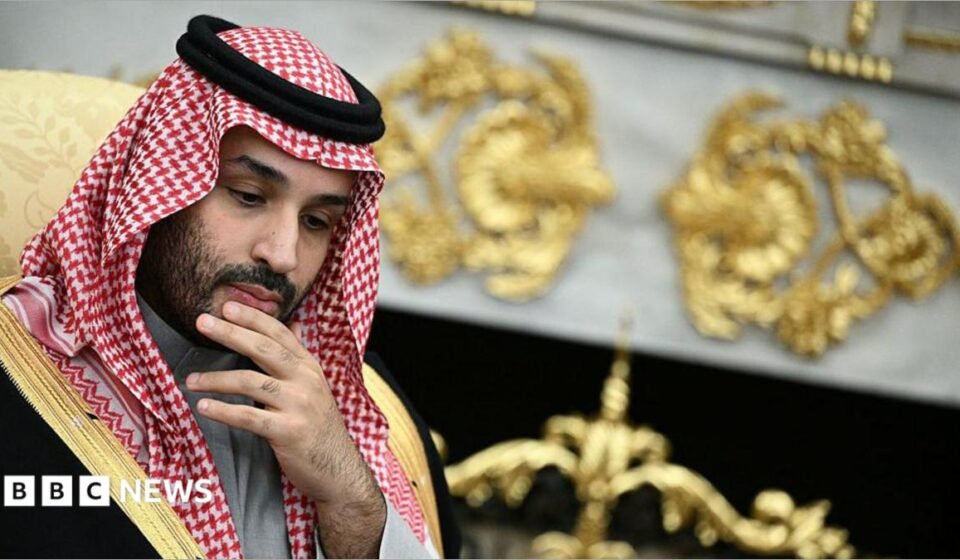
Saudi Arabia’s Crown Prince Mohammed Bin Salman has taken steps to address these concerns, including building data centres vulnerable to attack and attracting foreign investment. However, the kingdom still faces a daunting challenge as it navigates the complex web of international relations.
The US and its allies have been actively involved in the conflict, with Centcom forces contributing significantly to the effort. The Gulf Arab states and Jordan are also supporting the US, while Israel remains a close ally but is not currently participating in the war.
Hezbollah in Lebanon has taken a low profile during this period, although it continues to pose a threat from its current location. Iran’s efforts to expand its influence in the region have led to increased tensions with Saudi Arabia and other Gulf states.
The situation is further complicated by the ongoing humanitarian crisis in Yemen, where thousands of civilians are living under siege. The conflict has had devastating effects on the country, including widespread destruction and displacement.
In September 2019, Saudi Arabia suffered a significant blow when Iranian-backed Iraqi militia groups launched drones at two of its oil facilities. At the time, there was speculation that the attack came from Houthis in Yemen, but further investigation revealed that it was actually an Iranian proxy group.
The incident highlighted the vulnerability of Saudi Arabia’s critical national infrastructure to attack and prompted Riyadh to take action. The kingdom has since increased its efforts to defend itself against drone and missile attacks from Iran-backed groups.
In conclusion, Saudi Arabia is facing a difficult dilemma as it navigates the complex web of international relations in the wake of the US-Iran war. While the country’s “Vision 2030” initiative aims to diversify its economy and create domestic industries, it also creates vulnerabilities that are being exploited by Iranian-backed groups.
As tensions escalate, Saudi Arabia must balance its national security concerns with its need for international cooperation and diplomacy. The kingdom will continue to work towards de-escalating the situation, perhaps through efforts to pay off some of its adversaries or by seeking support from other countries in the region.
Based on reporting from BBC World.