

Trump Says ‘Good Chance’ of Progress in Iran Talks. What We Know
Negotiators are working towards a breakthrough in talks aimed at ending months of fighting between Iran and the US over transit fees and management of the Strait of Hormuz.
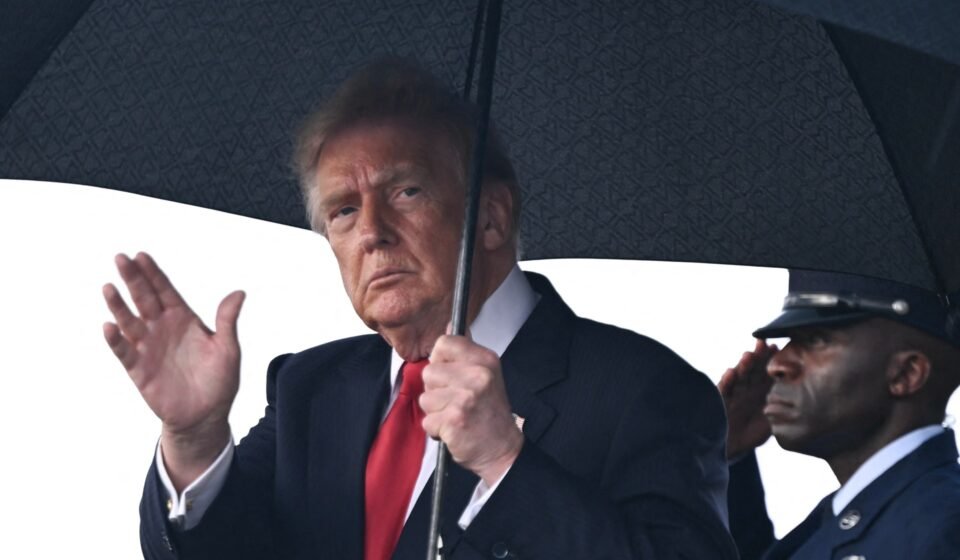
US President Donald Trump has stated that Washington is engaged in “very friendly negotiations” with Iran, following a pause in military strikes last week. This move raises hopes for renewed diplomacy after weeks of escalating attacks by both sides.
Iran has denied holding direct talks with the US at all, but its foreign ministry’s spokesman, Esmaeil Baghaei, said Tehran was not negotiating with Washington. However, Oman is leading the mediation effort, along with Qatar, Pakistan, and Egypt alongside Trump’s envoys, Steve Witkoff and Jared Kushner.
The diplomatic push comes after fighting subsided again on Friday, following nearly two weeks of attacks by both sides that threatened to upend a Memorandum of Understanding (MoU) signed in June which extended an April ceasefire and established a framework agenda for broader negotiations. However, disputes over its implementation and the wording of several clauses quickly emerged.
The talks also come against the backdrop of a rapidly shifting strategic landscape. The Iran-aligned Houthis in Yemen have opened another front in the Red Sea where they are targeting ships; Ukraine has become increasingly drawn into the conflict; reports suggest US stockpiles of key munitions may be under pressure; and Iran’s economy continues to face mounting strain.
The talks aim to address several contentious issues, including control over the Strait of Hormuz. The strait did not become an issue between the two sides until after the US and Israel launched their first strikes on Tehran in February 2023, which closed it down for about a month before Iran reopened it.
Oman is understood to be leading the mediation effort, with Qatar, Pakistan, and Egypt also involved alongside Trump’s envoys. Al Jazeera’s Tohid Asadi said that “while there are numerous points of contention in the talks, including the nuclear dossier, sanctions, war reparations … the strait may be the most contentious issue of all”.
The US has proposed several proposals to address these issues, including a regional consortium responsible for maritime security and search-and-rescue operations. However, Iran is unlikely to accept any proposal that gives it control over the Strait of Hormuz.
Iranian officials have repeatedly stated that easing economic pressure must form part of any lasting agreement. Access to its frozen assets has emerged as one possible area for compromise. According to Axios, US officials increasingly believe that economic pressure may ultimately prove more effective than continued military strikes when it comes to influencing Tehran’s position.
The June memorandum also referred to the release of frozen Iranian funds, although Washington and Tehran appear to have interpreted that commitment differently – again because of vague wording. Iran had expected assets to be released shortly after the agreement was signed. US officials, however, indicated that any release would depend on Tehran continuing to keep the Strait of Hormuz open and complying with other parts of the deal.
The conflict is no longer confined to Washington and Tehran, as it has become increasingly intertwined with the Saudi-Houthi confrontation and the Russia-Ukraine war. The Houthis in Yemen have declared a maritime blockade targeting Saudi ports, threatening another major shipping route in the Red Sea; Ukraine has struck an Iranian vessel transporting military cargo across the Caspian Sea.
The situation in Lebanon could also complicate negotiations, with the first article of the June memorandum calling for the “immediate and permanent termination of military operations on all fronts, including in Lebanon”. However, Israeli attacks on southern Lebanon have continued, raising further questions over how fully the agreement has been implemented.
Based on reporting from Al Jazeera.
Read original source