
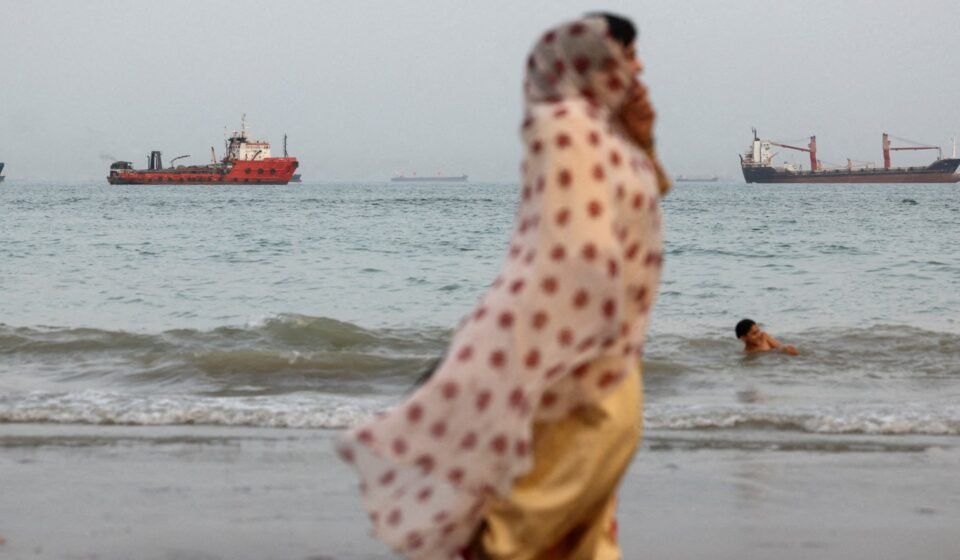

The Strait of Hormuz remains a critical chokepoint for global oil supplies, with Iran’s control over this vital waterway remaining a major point of contention between the two nations. Despite recent efforts to establish a potential agreement, tensions continue to escalate in the region.
Iranian authorities have stated that they will only allow ships to pass through the northern corridor of the Strait of Hormuz if their armed forces permit it, effectively blocking off the southern sea corridor used by Saudi Arabia and other regional countries. This move has been met with resistance from Iran’s allies, including Pakistan, Qatar, Oman, and Turkey.
The United States has maintained a policy of not engaging in direct military action against Iran, but President Donald Trump has announced that he is willing to reconsider this stance if an agreement can be reached on how to manage traffic through the Strait of Hormuz. The US has previously threatened to impose economic sanctions on Iran unless its demands are met.
Iranian officials have expressed skepticism about any potential deal, citing concerns over the “perimeters of a deal” and the need for further concessions from other regional countries. In response, Trump stated that his decision was made in consultation with Iranian leaders and follows their request after the “perimeters of a deal” had been agreed upon.
The conflict has spread to the Red Sea and Bab al-Mandeb, where Iran-aligned Houthis have attacked Saudi energy facilities and attempted to strike or turn back Saudi-linked ships. However, regional tensions remain relatively calm compared to previous outbreaks in the region.
Iran’s government is facing significant economic challenges, including chronic inflation, energy crises, and a heavy budget crunch. The country has struggled with paying some salaries, leading President Masoud Pezeshkian to make phone calls during meetings with state-run universities to follow up on unpaid workers.
The ongoing battle over the Strait of Hormuz has also raised concerns about regional security, particularly in light of recent attacks by Iran-aligned Houthis against Saudi energy facilities. The Islamic Republic must build underground “governance cities” that would offer protection from aerial bombardment according to hardline parliamentarian Ali Khezrian.
The situation remains fluid and uncertain, with both sides continuing to exchange messages and negotiate potential agreements. As the conflict continues to unfold, it is unclear whether a resolution can be reached in time to avoid further escalation.
Based on reporting from Al Jazeera.